見えない世界を
信じた人々
A People Who Believed
in the Unseen
一万年以上にわたり、縄文人たちは自然の中にカミを見出し、土に祈りを込め、石に時間を刻みました。その精神性は、形を変えながら現代日本に生き続けています。 For over ten millennia, the Jomon people found spirits in nature, poured prayers into clay, and carved time into stone. Their spirituality lives on in modern Japan.
現代人は「縄文時代は原始的な時代」と思いがちです。しかし、彼らが残した土偶・環状列石・精巧な副葬品は、深く洗練された精神世界の存在を物語っています。 We tend to think of the Jomon period as "primitive." Yet the figurines, stone circles, and elaborate grave goods they left behind speak of a deeply refined inner world.
13,700
年間続いた信仰years of continuous belief
2万+
発見された土偶の数Dogu figurines discovered
数十
日本各地の環状列石stone circles across Japan
万物に宿る精霊Spirits in All Things
アニミズムAnimism
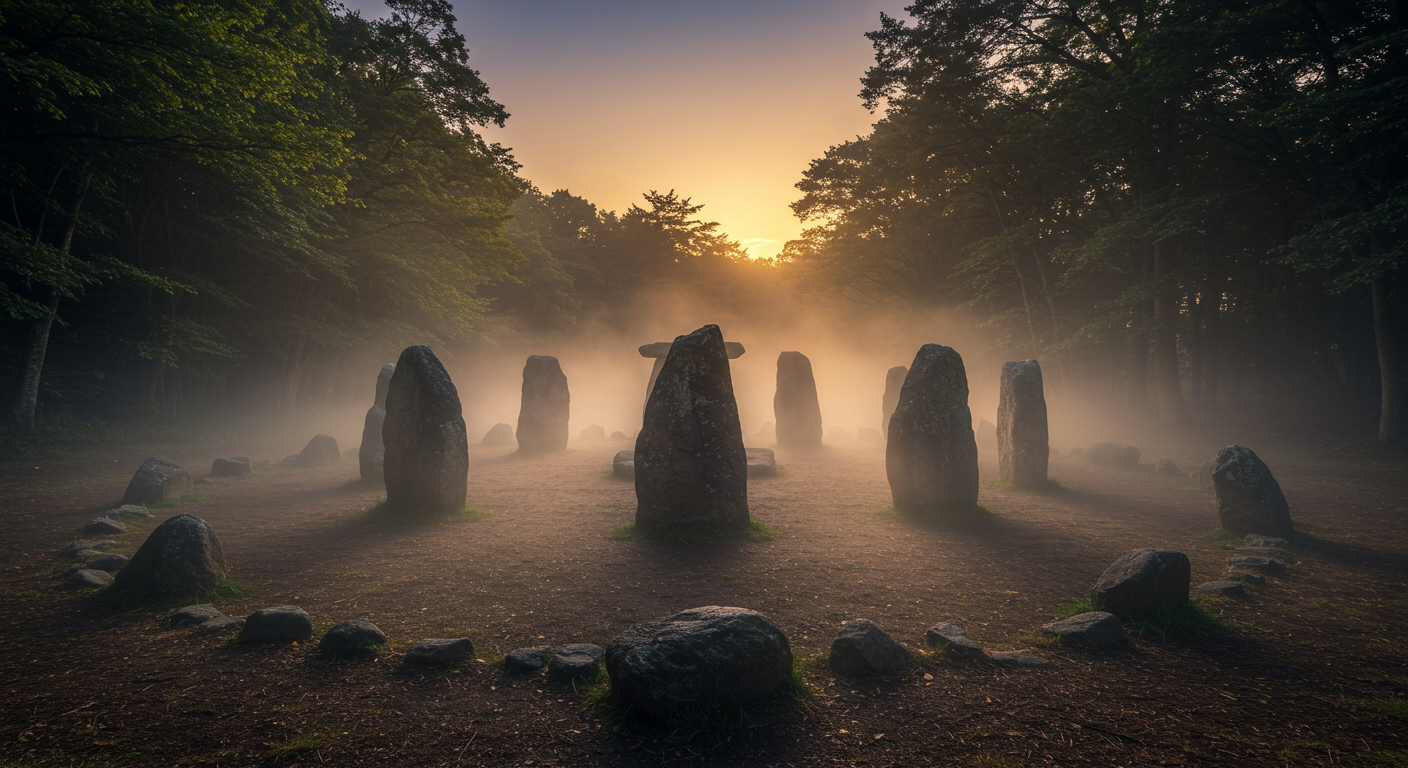
縄文人は山・川・樹木・石・動物のすべてに「カミ」が宿ると信じていました。自然は征服する対象ではなく、対話し、感謝し、敬う存在でした。この世界観は一万年以上にわたって受け継がれ、現代の神道の根底に今も息づいています。The Jomon people believed that Kami — spirits — dwelled in mountains, rivers, trees, stones, and animals. Nature was not to be conquered, but conversed with, thanked, and revered. This worldview persisted for over ten millennia and lives at the heart of modern Shinto.
「山は神、川は神、火も神。縄文人の暮らしは、祈りそのものだった。」"Mountain is god, river is god, fire is god. The Jomon way of life was itself a form of prayer."
祈りを封じた粘土の像Clay Vessels of Prayer
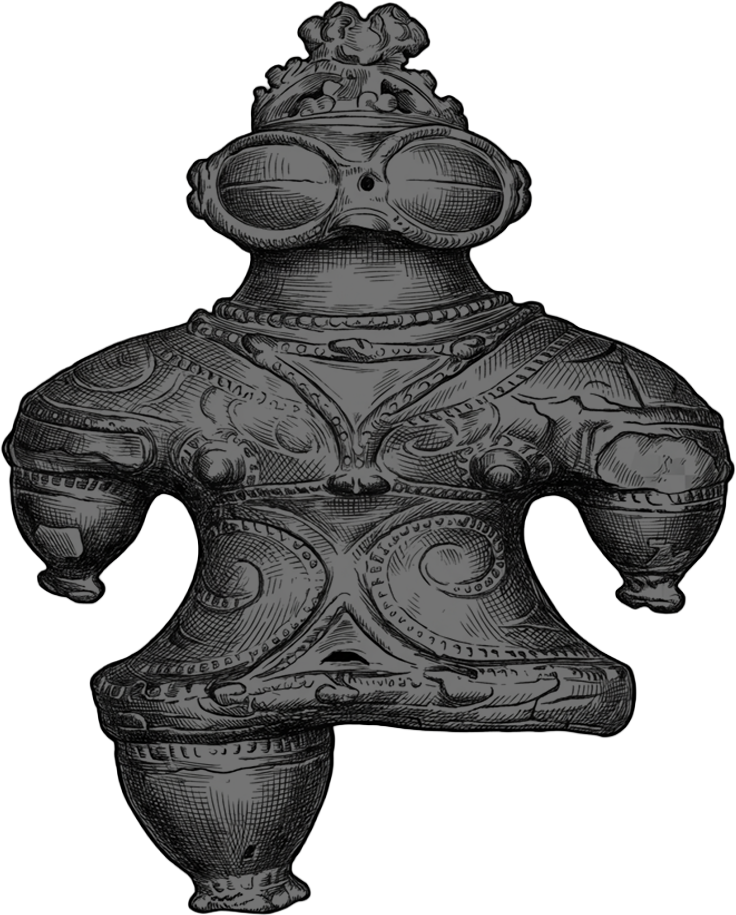
土偶Dogu Figurines
土偶は単なる人形ではありません。縄文中期の土偶の多くは女性的な姿をしており、大地を司る母なる存在(地母神)を象徴していると考えられています。 また、その用途についてはさまざまな説がありますが、神話学者・吉田敦彦は、土偶を意図的に壊す行為が、「死を契機として新たな価値や生命が生まれる」というハイヌウェレ型神話の構造と響き合う可能性を指摘しています。すなわち、女神の死と再生をめぐる神話的イメージを、土偶を壊す行為によって象徴的に表現していたのではないか、という見方です。 ただし、これは数ある解釈の一つに過ぎず、土偶の役割は一様ではありません。病や難産、飢えといった苦しみを移して祓う存在であったとも考えられています。 壊すことで厄を祓い、同時に再生や循環を祈る——土偶には、そのような複層的な願いが込められていたのかもしれません。Dogu are not mere dolls. Many of the figurines from the Middle Jomon period depict female forms and are thought to symbolize an earth mother deity — a divine presence governing the land. There are many theories about their purpose. Mythologist Yoshida Atsuhiko has suggested that the act of deliberately breaking Dogu may resonate with the structure of the Hainuwele-type myth, in which new value and life emerge through death. That is, the figurines may have been used to symbolically re-enact the mythic image of a goddess's death and rebirth through the act of breaking them. This is, however, just one of many interpretations — the role of Dogu was not uniform. They are also thought to have been vessels into which suffering — illness, difficult childbirth, famine — was transferred, then broken to ward off misfortune. To break and purify, while praying for rebirth and renewal — the Dogu may have embodied a layered and complex offering of hope.
「土偶は壊されることで、はじめてその役目を果たした。 その破片の中に、再生と循環への祈りが宿っていたのです。」"The Dogu fulfilled their purpose only when broken. In their fragments lay a prayer for rebirth and cyclical renewal."
世界最古級の焼き物、一万年の進化Among the World's Oldest Pottery — 10,000 Years of Evolution
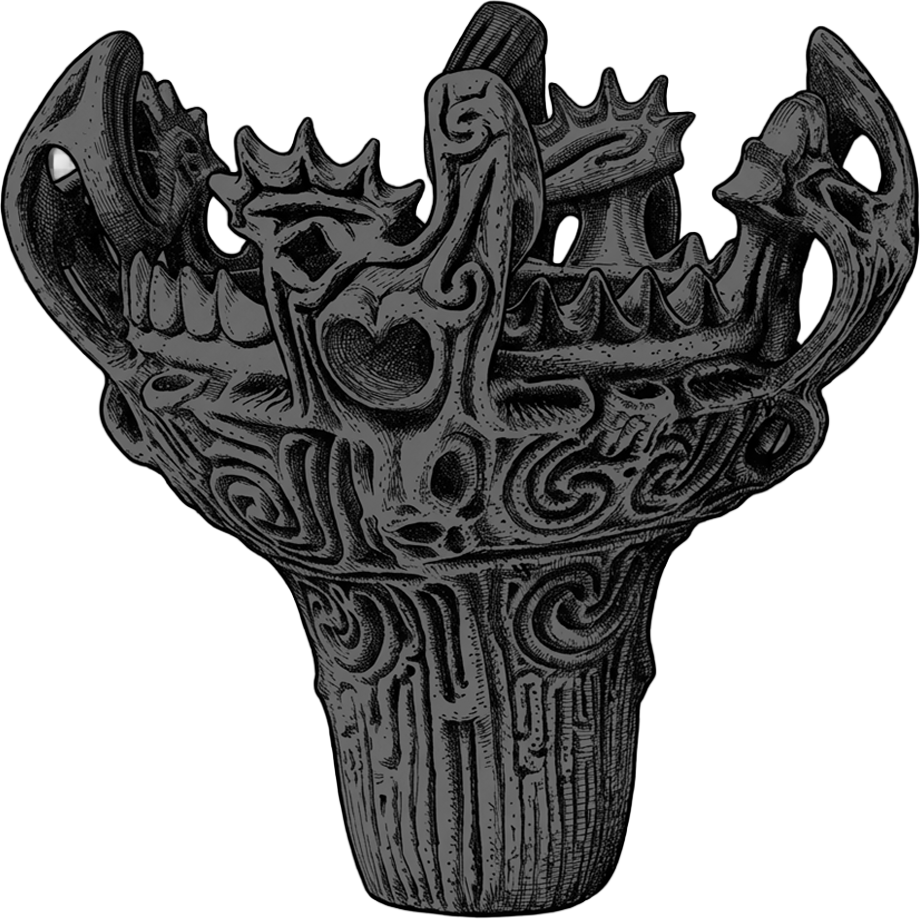
縄文土器Jomon Pottery
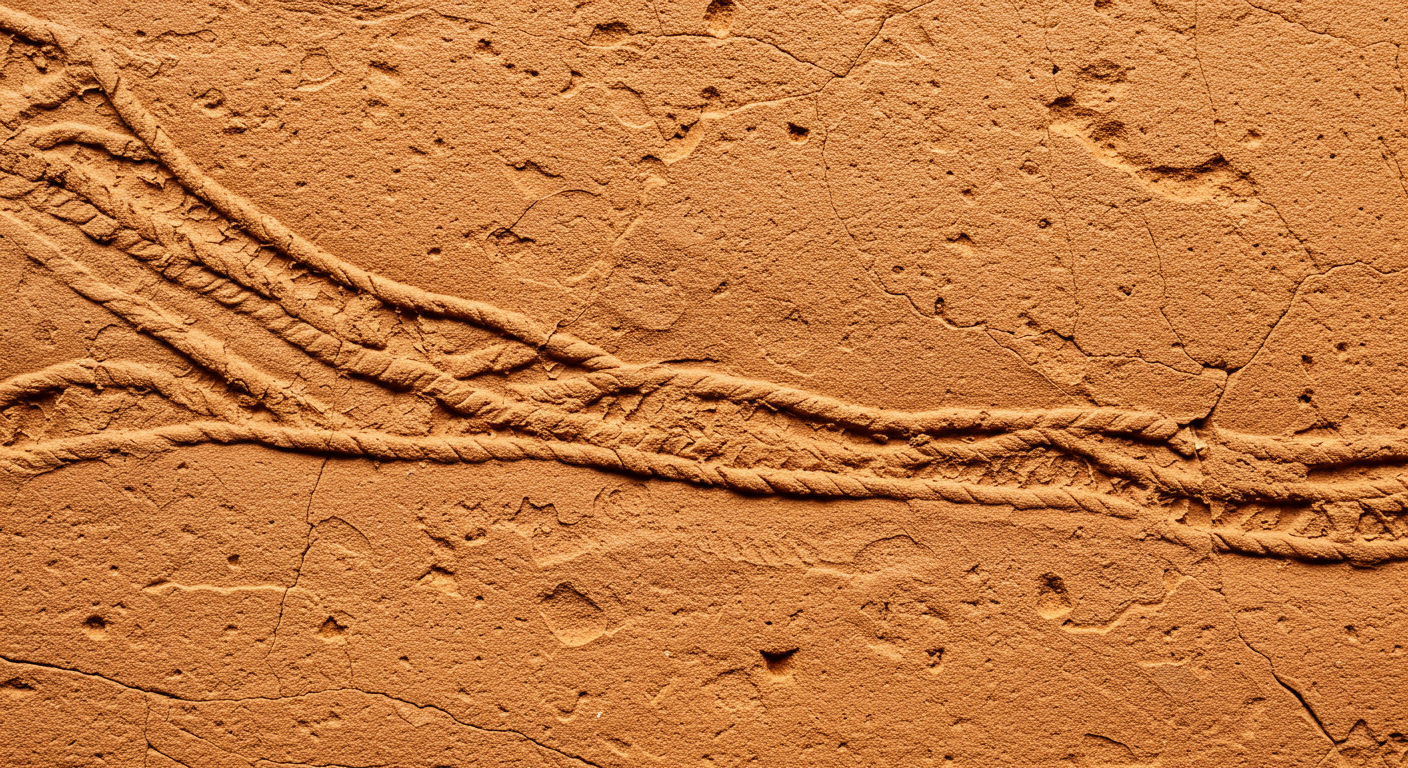
縄文土器は今から約1万6,000年前、日本列島で誕生したと考えられています。青森県の大平山元遺跡では、約1万5,000〜1万6,000年前の土器片が発見されており、世界最古級の土器として学術的に高い注目を集めています。農耕以前の狩猟採集民が焼き物を生み出したという点は人類史上きわめて稀な事例です。Jomon pottery is believed to have originated in the Japanese archipelago around 16,000 years ago. At the Odai Yamamoto site in Aomori Prefecture, pottery fragments dating to approximately 15,000–16,000 years ago have been discovered, drawing significant academic attention as some of the world's oldest known ceramics.
「土器の誕生は、人類が火と土と知恵で世界を変えた瞬間だ。縄文人はそのはじまりにいた。」"The birth of pottery was the moment humanity reshaped the world with fire, clay, and ingenuity. The Jomon people were there at its beginning."
時を刻む聖なる円Sacred Circles of Time
環状列石Stone Circles
大湯環状列石(秋田県)などのストーンサークルは、単なる墓地ではありません。夏至・冬至の日の出に合わせて石が配置されており、縄文人が季節の移ろいを精密に観察し、時間そのものを「聖なるもの」として扱っていたことを示しています。Stone circles like the Oyu circles in Akita are more than cemeteries. Their stones align with the summer and winter solstices, showing that the Jomon people precisely observed the seasons and treated time itself as something sacred.
「石は倒れない。石は忘れない。だから縄文人は石に時間を刻んだ。」"Stones do not fall. Stones do not forget. That is why the Jomon people carved time into stone."
自然のリズムと祭祀Ritual & the Rhythm of Nature
季節を「聖なるもの」として生きるLiving the Seasons as Sacred
縄文人は農耕なしに、季節の訪れをこれほど精密に把握していました。それは生存のためだけでなく、宇宙の秩序に参加するためでもありました。Without agriculture, Jomon people understood the seasons with remarkable precision — not merely for survival, but to participate in the order of the cosmos.
山菜採りと祈りForaging & Prayer
春の芽吹きは命の再生。木々の精霊へ感謝を捧げ、今年の恵みを祈る季節。山への入山には儀礼が伴ったと考えられています。Spring's budding is the rebirth of life. A season to offer thanks to tree spirits and pray for this year's bounty. Entering the mountains likely required ritual.
漁と海神への奉納Fishing & Ocean Offerings
海の恵みは海神のもの。大量の貝や魚は「もらうもの」ではなく「授かるもの」でした。貝塚には儀礼的な意味があったとも言われています。The sea's bounty belongs to the sea god. Fish and shellfish were not "taken" but "received." Shell mounds are thought to have held ritual significance.
収穫祭と感謝Harvest & Gratitude
クリ・クルミ・ドングリの収穫期。自然の豊かさへの感謝を集落全体で分かち合う祭りが行われたと推測されています。Chestnut, walnut, and acorn season. Communal festivals sharing gratitude for nature's richness are believed to have been held across the settlement.
冬至と死者への祈りWinter Solstice & Ancestors
環状列石は冬至の日の出に合わせて配置されています。最も日が短い日——死と再生の境目——に祖先の霊を呼び戻す儀礼が行われたのでしょう。Stone circles align with the winter solstice sunrise. On the shortest day — the threshold between death and rebirth — rituals likely called forth the spirits of the ancestors.
縄文の魂は、
今も生きている
The Jomon Spirit
Lives On
弥生時代・大和朝廷・仏教伝来——歴史の波が幾度も日本を変えてきました。しかし縄文の精神性は消えることなく、日本文化の深層に流れ続けています。 Yayoi, Yamato, the arrival of Buddhism — waves of history reshaped Japan again and again. Yet the Jomon spiritual essence never disappeared; it flows beneath the surface of Japanese culture to this day.
「縄文人は宗教を持っていなかったのではない。
彼らの暮らしそのものが、宗教だったのだ。」
"The Jomon people did not lack religion.
Their way of life itself was religion."
— 縄文精神文化研究より — From Research on Jomon Spiritual Culture